
Learning Objectives – By the end of this class, you’ll be able to identify territories that require attention, filter your map to focus on problem areas, reassign areas using the available tools, and interpret how those changes affect your alignment.
Identifying territories for realignment
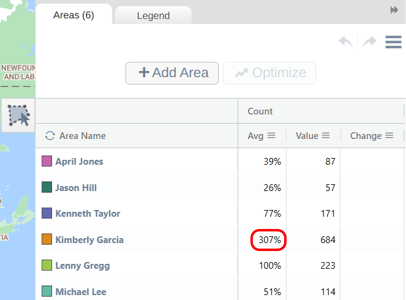
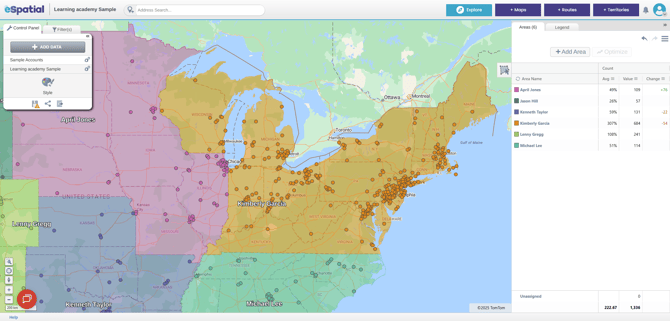
There are a few ways to decide which territories in your alignment may need realignment. One approach is to use insights from your balance metrics via the Areas Panel. In the example below, we are using a balancing on Count (the number of points/accounts in each territory). As the screenshot shows, Kimberly has over three times the average number of accounts in her territory, making this territory a clear candidate for realignment.
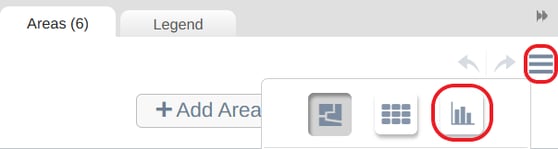
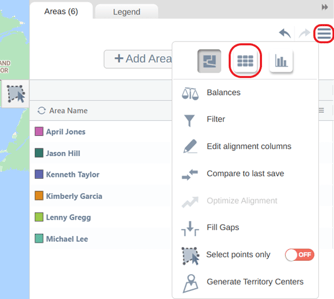
Another approach would be to use the Chart View which you can access from the Hamburger Menu, by selecting the Chart Icon.
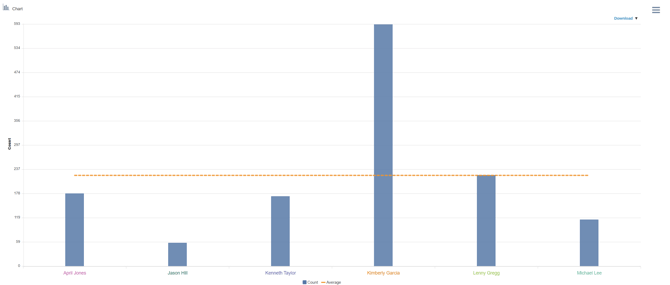
In here your balance metrics are displayed as a bar chart with each bar representing the balance value of the territory and the orange line represents the average (100%). You can easily identify which territories are on, above or below average. In our example, Kimberly’s territory is well above the average line, highlighting it as a territory to consider for realignment.
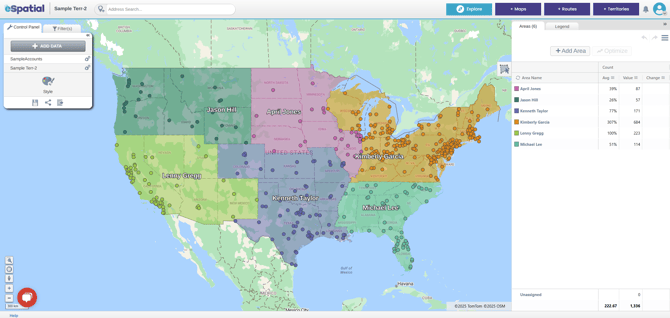
Another way to identify territories for realignment would be through simple visualization. In the territory map below, part of Kimberly’s territory extends into a region surrounded by April’s territory, creating a disconnected area of territory. While not necessarily an immediate issue, it can lead to inefficiencies because Kimberly would need to travel through April’s territory to reach those accounts. Reassigning this territory area to a neighboring rep would make the territory boundaries more contiguous, simplify travel, and reduce unnecessary overlap.
Filtering to territories of interest
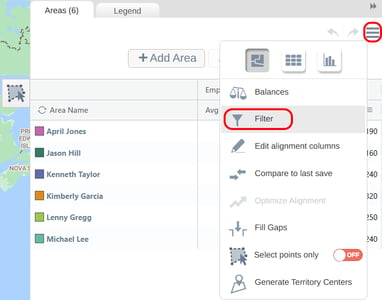
Once you have identified the territories that need realignment, you can filter out the ones you don’t need to focus on so you can focus on the territories that need realignment. To filter your territories, open the Hamburger menu in the Areas Panel and select the Filter option.
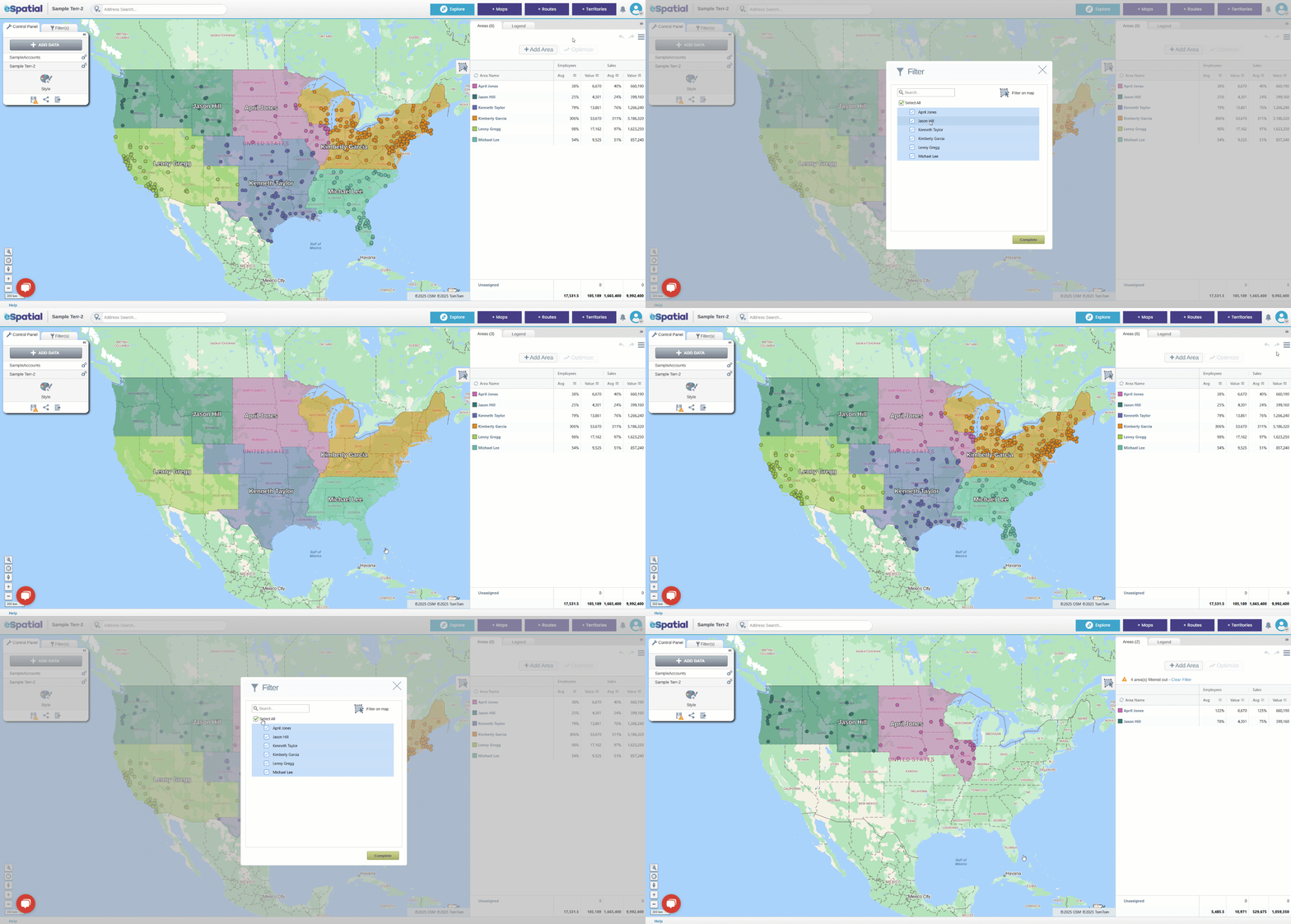
You then have a choice of how you would like to filter. You can:
1.Filter by Territory Name
All territories are selected by default. Use the checkboxes to deselect any territories you want to hide. You can also use the search bar to quickly find a territory to select or deselect.
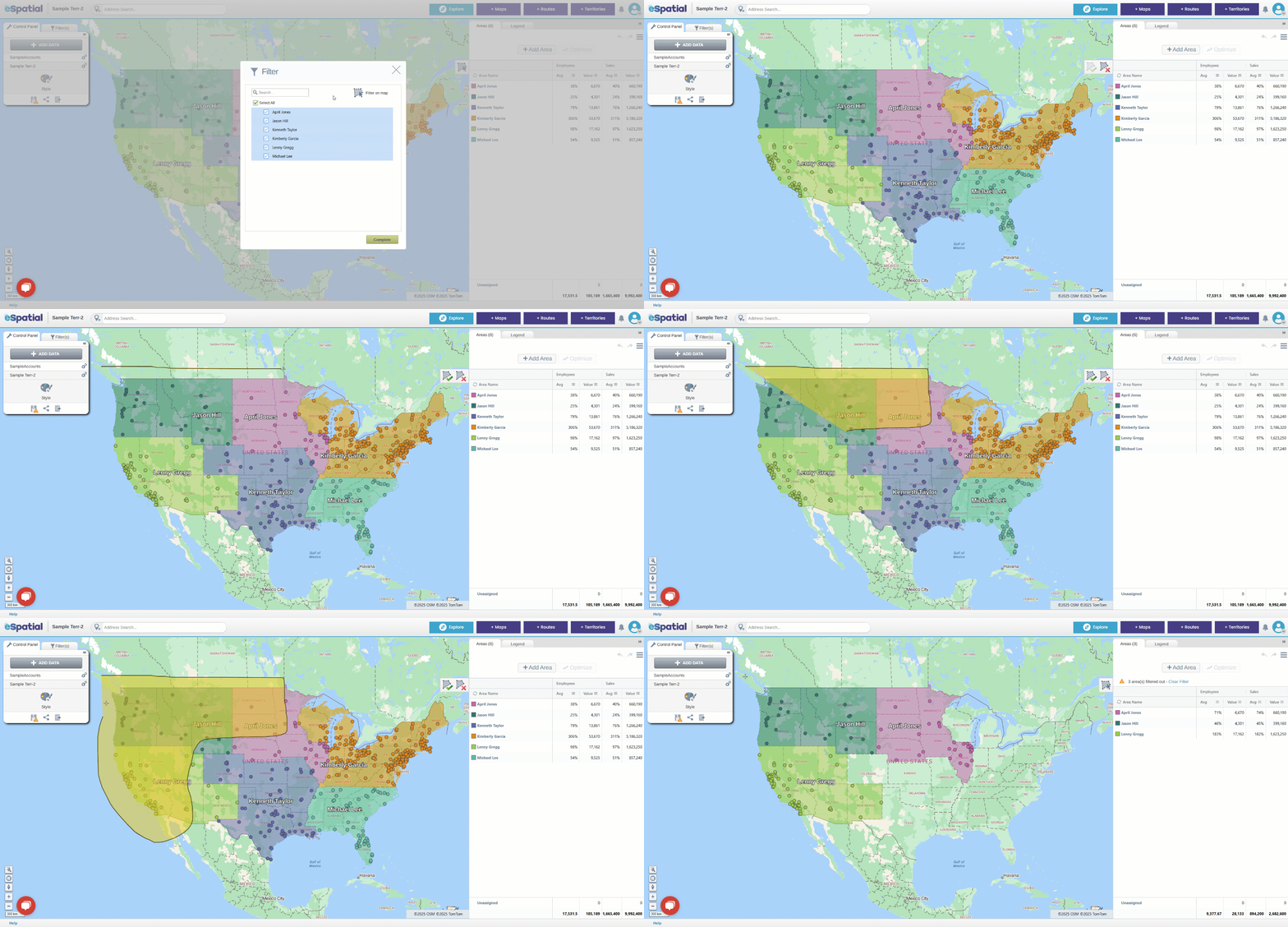
2. Filter on map
Draw a shape around the territories that you want to filter to. Any territory that the shape touches will be included in the selection.
Reassigning Areas
Once you have identified which territories you would like to realign, and filtered them accordingly, the next step to realign these territories is to reassign areas from one territory to another. There are three ways to reassign areas:
1. Using the Plus icons
The first method is to use the + icons. When you hover over an area, a + icon will appear along with the area name and its current territory. Click the + to add that area to your selection.
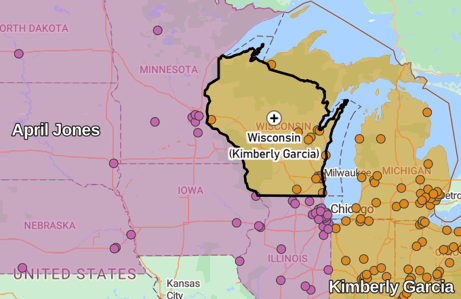
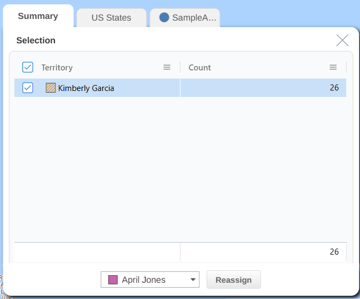
Once selected, the Selection Panel will open. Here, you can review all selected territories, areas, and points by navigating through the relevant tabs.
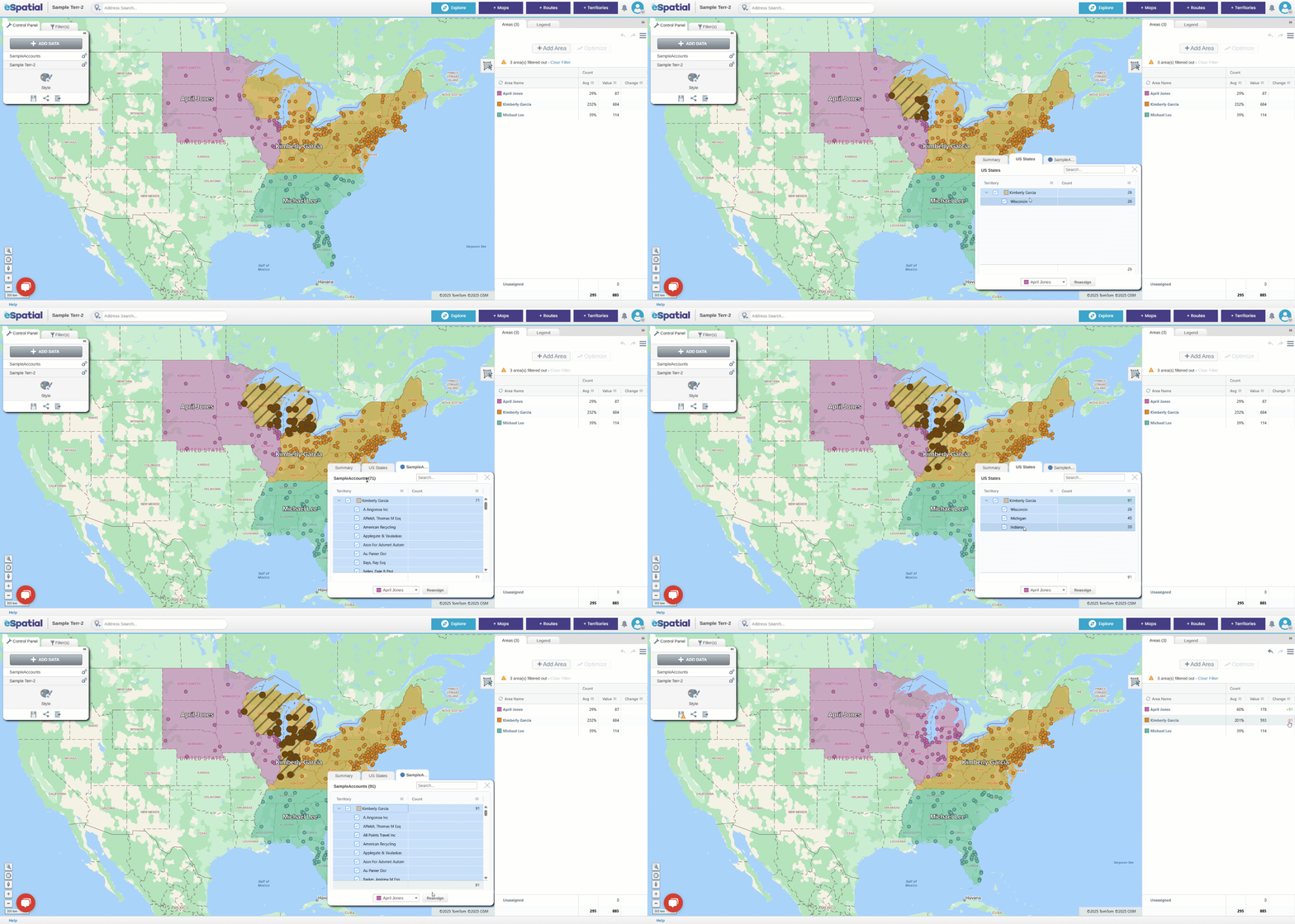
When you're happy with your selection, choose the territory you want to reassign the areas to from the dropdown menu, then click Reassign to apply the changes. Your map will update accordingly, and your balances in the Territory Panel will also refresh so you can compare the impact of your changes.
2. Using the Selection Tool
The second way to select areas to reassign is by using the Selection Tool, located on the side of the Territory Panel.
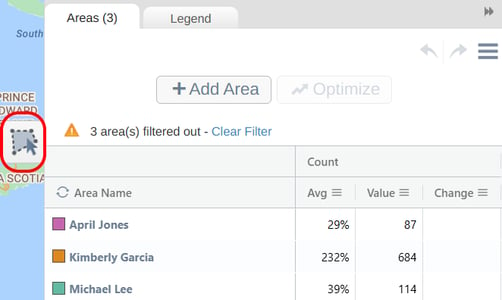
When you click the tool, it will activate and your mouse pointer will change to a crosshair. You can then left‑click and drag to draw a shape around the areas you want to select. Any part of a territory that your shape touches will be included in the selection
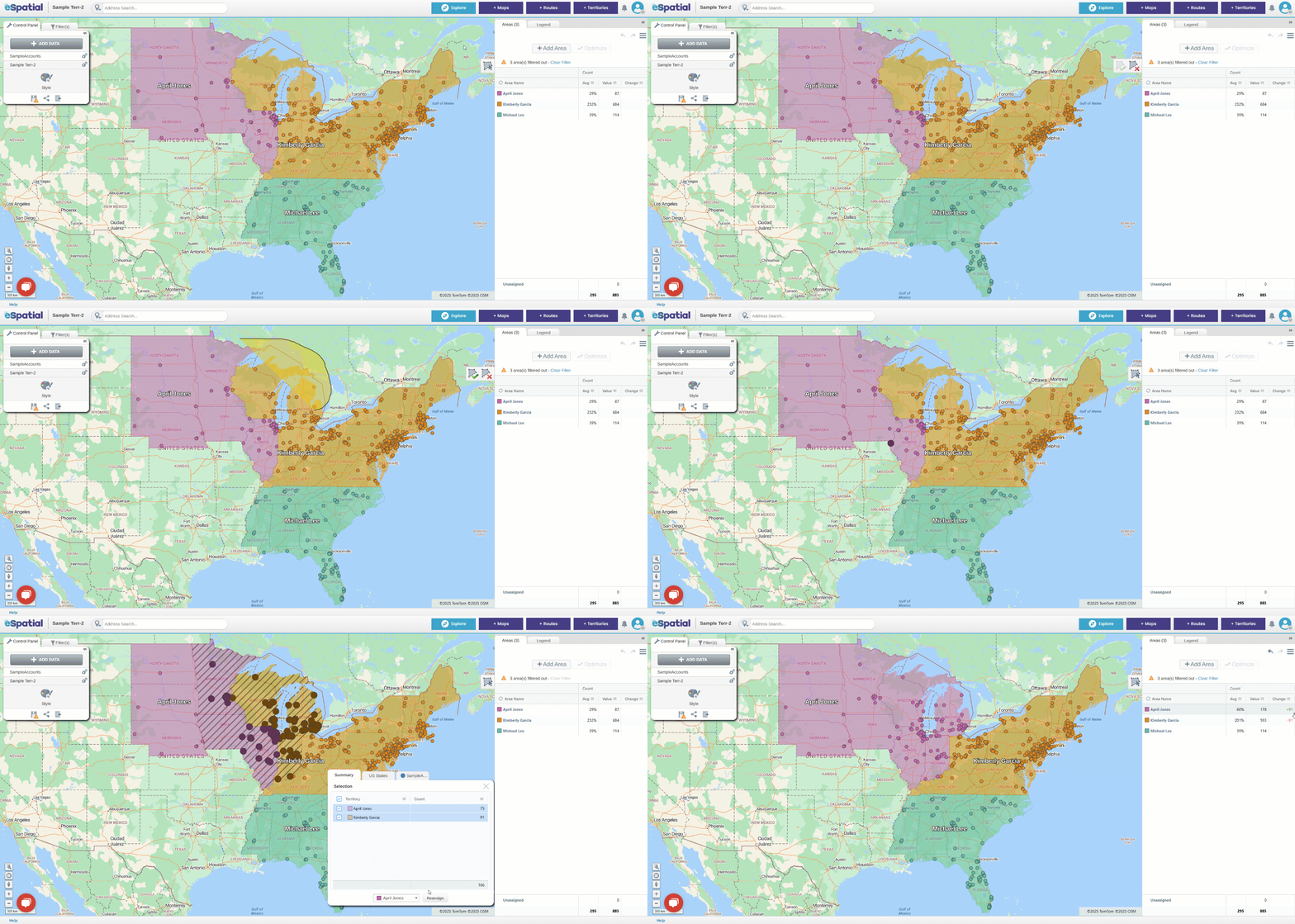
Once the areas are selected, the Selection Panel will open. Here, you can review all selected territories, areas, and points by navigating through their tabs.
When you're happy with your selection, choose the territory you want to reassign them to from the dropdown, then click Reassign to apply the changes. Your map and the balances in the Territory Panel will update so you can compare the impact of your changes.
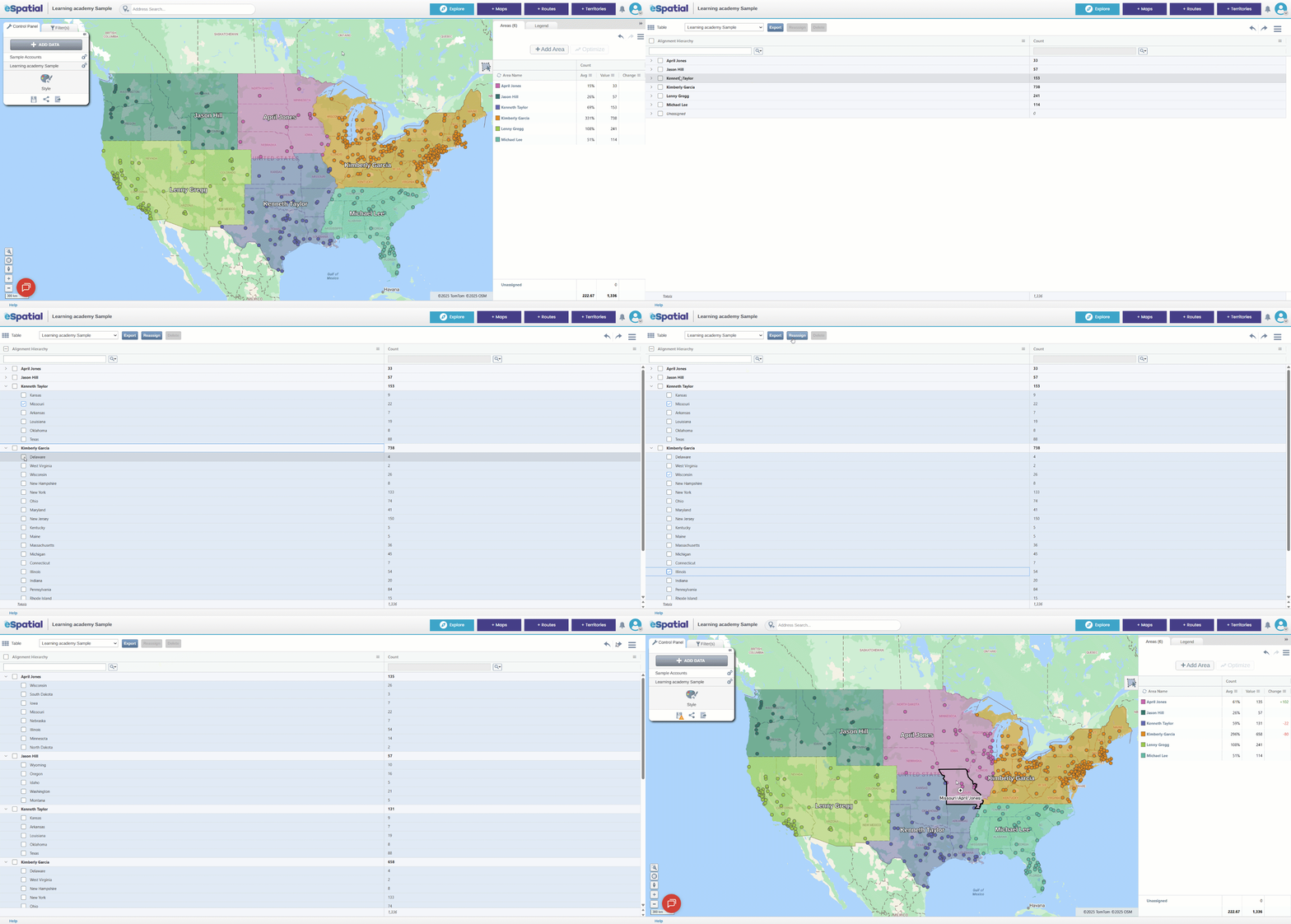
3. Using the Territory Table
The third way to reassign areas is by using the Territory Table. You can access the table through the Hamburger menu in the top‑right corner of the Territory Panel. Once in this menu, click the Table option.
To move an area to another territory, check the box beside any areas you want to reassign. Then click the Reassign button at the top of the table and choose the territory you want to move the areas to.
Once you are happy with your selection, click Reassign to apply the changes. Your map will update, and the balances in the Territory Panel will refresh so you can compare the impact of your changes.
If you are reassigning areas but there accounts that you don't want to reassign, you can add these accounts as an Exception.
An exception is an account owned by a rep, but is geographically inside another reps territory. An example of this could be an account that a rep has worked with for a long time and has a good working relationship or connection with, that may now fall outside of their territory. Instead of reassigning this account t can be added as an exception and stay with the original rep.
Exceptions can be automatically identified if you overlay an accounts dataset with a territory owner column identical to the one used to create your geographic areas initially.
Exceptions can also be added by clicking on the account on the map, and choosing the + Add to selection option. You can the choose which area to reassign the account to using the dropdown. To remove the exception, click on the account as before and use the Remove Exception option.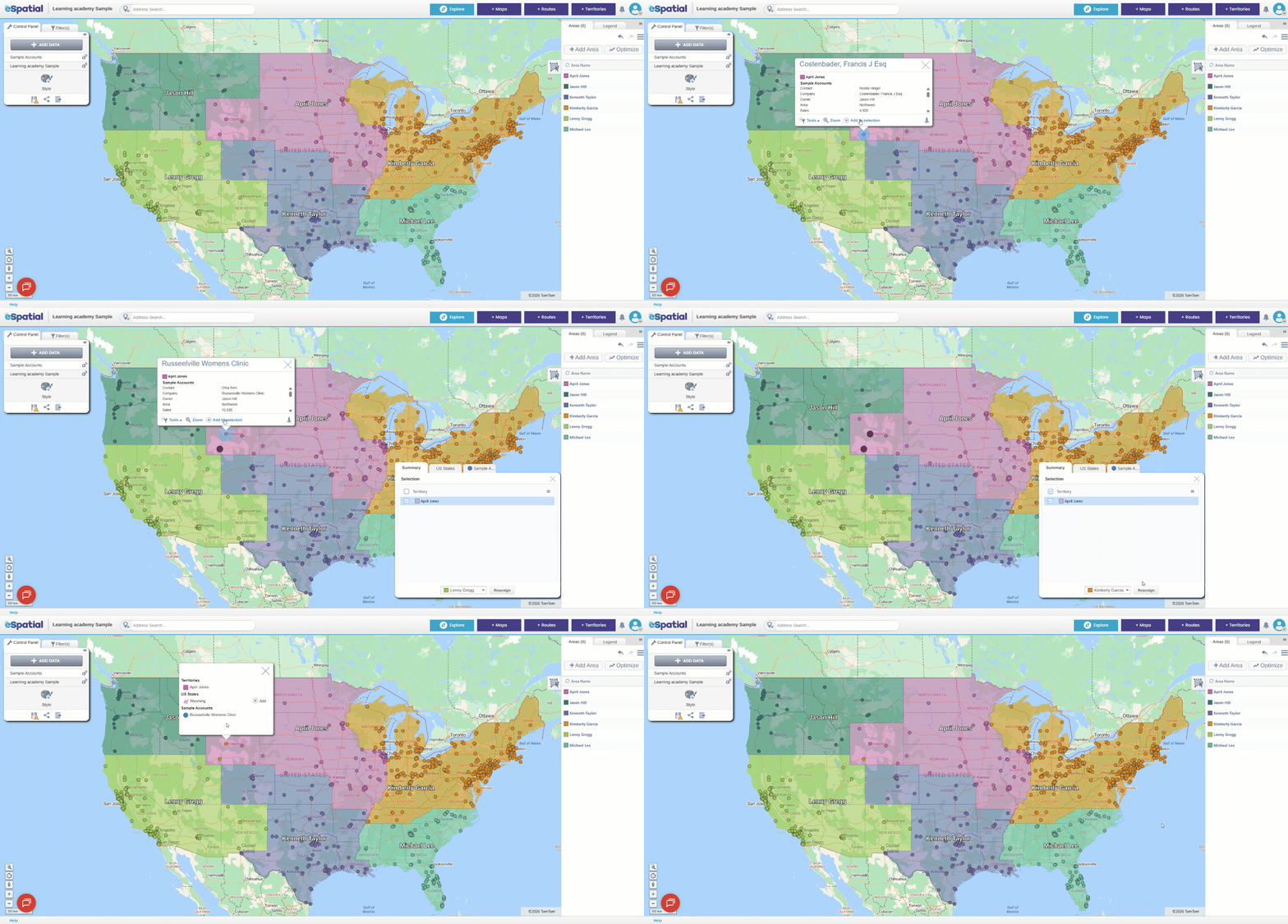
Exceptions can also be added in the territory table by clicking the checkbox beside an account, choosing the Add Exception option and the reassigning from the dropdown. If an account is added as an exception it will show in the Located At column. To remove the exception, click on the account checkbox as before and use the Remove Exception option.

Practical Exercise: Realign Territories
Objective: Practice identifying imbalanced territories, realigning areas, and analysing the impact of changes.
- Identify Territories for Realignment
- Look for any geographically disconnected areas that may cause inefficiencies.
- Use the Chart View to identify territories above or below the average balance.
- Filter to Focus
- Open the Hamburger Menu and use the Filter option to hide territories you don’t need to review.
- Try both filtering by name and using the Selection Tool to draw a shape on the map.
- Reassign Areas
- Use at least two methods (Plus icons, Selection Tool, or Territory Table) to move areas between territories.
- Confirm your changes and observe how the Territory Panel updates to reflect the impact.